

Isabella’s world smelled of warm bread and quiet prayers.
Every morning, before the city fully woke, she unlocked the small bakery at the corner of the street. The bell above the door chimed softly—gentle, polite, like her. Sunlight filtered through clean glass windows, falling on polished counters, neatly arranged jars, and trays aligned with almost obsessive precision.
Cleanliness wasn’t just a habit for her.
It was comfort.
It was control.
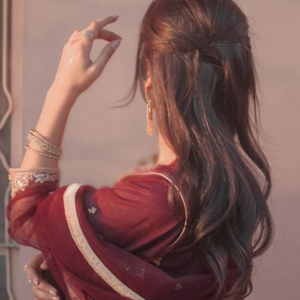
She wiped the counters twice, sometimes three times, even when they already shone. Her hands moved with purpose—gloves changed regularly, hair tied perfectly, apron spotless. A single crumb out of place bothered her more than it should have. Perfection calmed her restless heart. Order made the chaos inside her quiet.
This bakery wasn’t just a shop.
It was survival.
It was legacy.
It was the last thing her mother had loved.
Her mother had died in a car accident—sudden, cruel, unforgiving. One moment she was there, laughing, alive. The next, the world had ripped her away without explanation. Isabella never truly learned how to breathe properly after that day.
Her father had been gone long before—absence so old it barely hurt anymore. But her mother’s death carved something hollow inside her chest. A space that never quite filled again.
Only responsibility did.
At nineteen, Isabella had grown older than her years. Not because she wanted to—but because someone had to.
Her four-year-old brother clung to her leg while she worked, his tiny fingers wrapped around her jeans as if she were the only solid thing left in his world. He was loud, curious, endlessly messy—everything she wasn’t. And yet, she loved him with a ferocity that scared her.
He laughed easily.
She smiled carefully.
At home, their grandmother sat by the window in a wheelchair, eyes tired but kind. The same accident that stole Isabella’s mother had taken her grandmother’s ability to walk. She survived—but survival came with its own quiet cruelty.
Isabella bathed her. Fed her. Lifted her when her own arms trembled. Listened to the same stories repeated again and again without complaint. Patience had become second nature to her.
Some nights, when the house was silent and her brother slept curled against her side, Isabella allowed herself to feel it—the grief she never spoke about. The exhaustion she never showed. The fear of failing everyone who depended on her.
She never cried loudly.
She cried silently.
Into pillows. Into folded clothes. Into prayers whispered under her breath.
People described Isabella as soft-spoken, gentle, polite.
They didn’t see the steel beneath her calm.
She didn’t raise her voice. She didn’t rebel. She didn’t break rules.
But she endured.
She built a life from fragments. She kept everything clean because dirt reminded her how easily things fell apart. She chased perfection because mistakes felt dangerous. She held on tightly because letting go once had destroyed her world.
Isabella didn’t belong to chaos.
She belonged to warmth.
To light.
To small, honest joys like fresh bread and a child’s laughter.
She had no idea that darkness existed so close to her carefully built peace.
And when it found her—
It would recognize instantly what she was.
Not weak.
Not fragile.
But rare.
And the rarest things were always the first to be claimed.
Morning unfolded gently inside the bakery.
The mixer hummed softly as Isabella poured the batter into a bowl, her movements slow and deliberate. Every ingredient was measured twice, sometimes three times. She believed precision wasn’t optional—it was necessary. Clean counters, sanitized tools, aligned trays. Nothing out of place. Nothing left to chance.
Order gave her peace.
She adjusted her apron, changed her gloves, and wiped the counter again even though it was already spotless. A single crumb bothered her more than it should have. Perfection quieted the constant tension in her chest.
“Isaa!!” a small voice burst through the calm.
Isabella smiled without turning.
Her four-year-old brother sat on a tall stool near the counter, legs swinging wildly, humming nonsense tunes while dusting flour onto his own nose. He looked far too pleased with himself.
She leaned closer and gently wiped his face with a clean cloth. “No touching the flour,” she reminded him softly. “It’s not a toy.”
“But it’s snow,” he insisted, giggling.
She shook her head. “Snow doesn’t belong in bakeries.”
His laughter echoed, loud and carefree—everything she was not.
Near the window, her grandmother sat in a wheelchair, sunlight resting on her thin hands. She peeled almonds slowly, carefully, dropping them into a bowl. Her body could no longer do much, but her will refused to be idle.
“I can crush these too,” her grandmother offered, lifting the bowl slightly.
Isabella turned instantly. “That’s enough. Please don’t strain yourself.”
Her grandmother smiled gently. “Helping keeps me alive.”
Isabella didn’t answer. Some truths hurt too much to respond to.
The bell above the door chimed.
“Good morning, Isabella,” an elderly woman greeted warmly.
“Good morning,” Isabella replied, slipping on fresh gloves. “Your usual vanilla sponge?”
The woman nodded. “And two cupcakes for my grandchildren.”
“They’ll be ready shortly.”
More customers followed.
“A chocolate cake, medium size.”
“Three fresh pastries.”
“That strawberry cake you made last week—I want the same one again.”
The bakery filled with soft voices and familiar faces. Isabella moved gracefully between the oven and the counter, never rushing, never careless. She checked the temperature, adjusted timers, inspected edges. Each cake mattered. Each order deserved her full attention.
Behind her, her brother abandoned his stool and began racing a toy car across the floor.
“Vroom—crash!”
She didn’t look back. “Slow down,” she said calmly. “People are walking.”
He ignored her entirely.
Her grandmother cleared her throat. “Come here,” she called gently.
The child ran to her and climbed onto her lap. She steadied him with careful arms, whispering something soft. He quieted instantly, distracted by the almonds.
Isabella watched them for a moment.
This was her life.
Early mornings. Warm ovens. Responsibility heavier than her age. A child who depended on her. A grandmother who survived but never fully healed.
She carried it all silently.
The oven beeped.
She pulled the cake out carefully. Steam rose as the surface revealed a perfect golden finish. Isabella allowed herself a small breath of satisfaction.
Perfect.
For now, everything was exactly as it should be.
She didn’t know how fragile this peace was.
She didn’t know that beyond the glass windows, a darker world existed—one ruled by control, blood, and men who took without asking.
For now, Isabella belonged to sugar, warmth, and quiet strength.
And she held onto it as if letting go would shatter everything.

Write a comment ...